



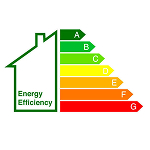

What you can do is build a realistic first-pass budget.
The key split is this:
- upfront setup costs: land, building or retrofit work, insulation, power systems, water, waste, access and installation
- ongoing living costs: maintenance, repairs, replacements, fuel or backup energy, insurance, communications, and transport
If you are trying to work out how much does it cost to live off the grid in the Highlands, the biggest mistake is looking for one number and borrowing generic online averages. Around Inverness, heating demand, backup resilience, site access and unresolved water or wastewater questions can change the budget materially.
A safer starting point is to reduce energy demand first, then size generation and storage around the property you actually have.
The honest short answer
There is no one-size-fits-all figure here. Your costs depend heavily on which of these situations you are in:
- you already own a house and want to retrofit it
- you are buying a rural property that is already partly independent
- you are starting from scratch with land, access and servicing still unresolved
In practice, the budget is decided less by the idea of “off-grid living” and more by a chain of property decisions:
- how warm and efficient the building is
- how you will heat it through a Highland winter
- whether water and wastewater are straightforward or complicated
- how much backup resilience you need when generation is weak or access is difficult
Budget reality check
- This is not just a solar budget. It is a whole-property systems budget.
- Setup and running costs are separate. A lower monthly bill does not erase high capital spend or replacement risk.
- Highland conditions can increase risk. Winter generation, heating load, weather exposure and remoteness all matter.
- Demand reduction usually comes first. Insulation and controls can be a safer first spend than simply buying a bigger off-grid power system.
If you only take one point from this guide, make it this: do not budget from a single generic internet average.
What “off-grid” means around Inverness: full off-grid or a lower-risk hybrid?
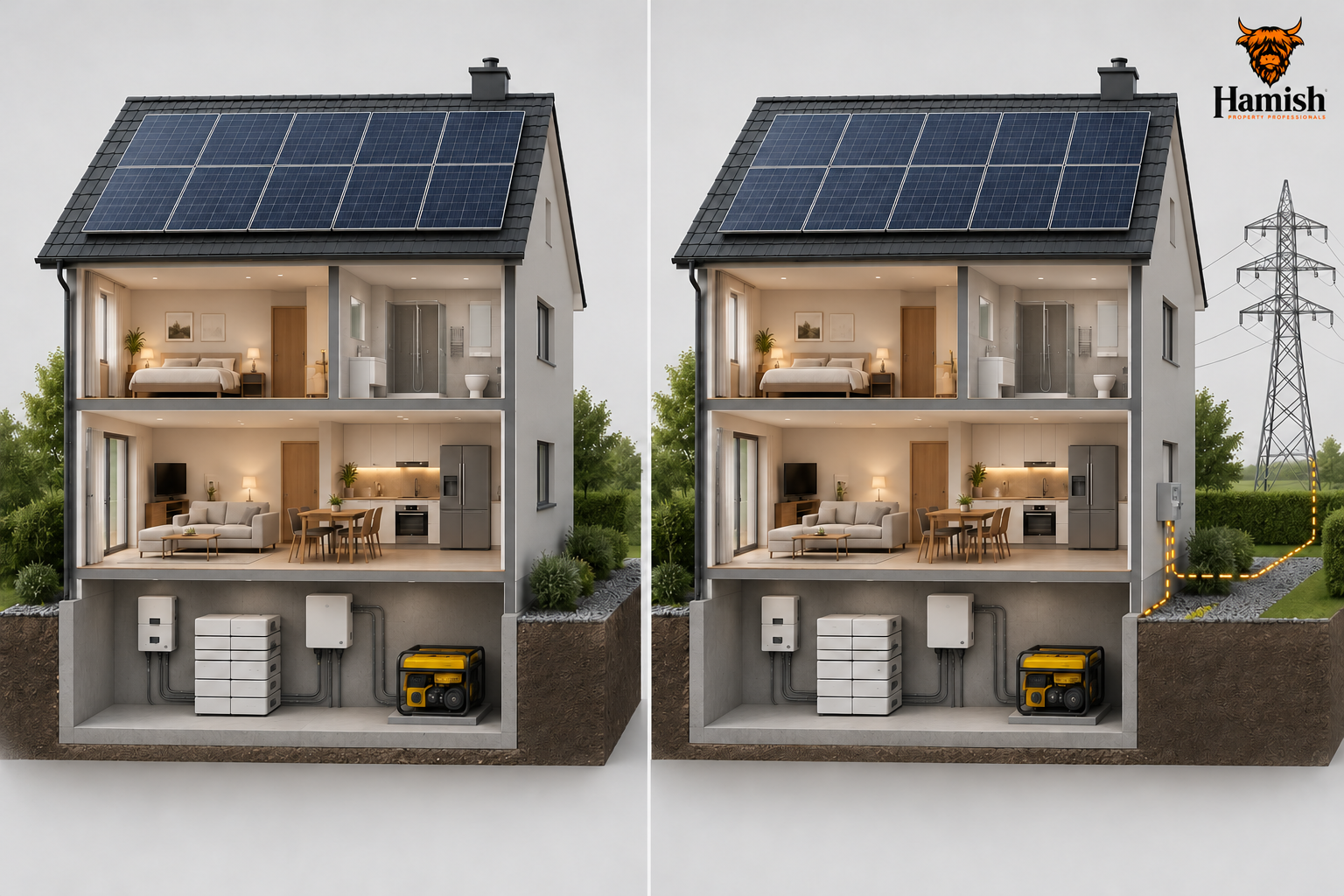
For budgeting purposes, it helps to separate two different ideas.
Full off-grid
- No grid electricity connection
- Your home must cover normal use, winter peaks and failures using on-site systems and backup
- Higher pressure on storage, backup and maintenance planning
Hybrid or low-grid
- You still reduce dependence on utilities, but keep some form of connection where available
- Can lower the pressure on battery capacity and emergency backup
- May be simpler to live with, especially in winter
A hybrid route can make more financial sense where:
- the site is not extremely remote
- you want resilience without building for complete independence
- you do not want to oversize storage for the darkest part of the year
- you want less day-to-day operational complexity
A fully off-grid setup may still suit some households, but complete disconnection is not automatically the smartest first move. The financially sensible choice depends on your site, your comfort expectations, your willingness to manage systems manually, and how much winter risk you can tolerate.
Think of it as a trade-off:
- Full off-grid: more independence, but more complexity and resilience pressure
- Hybrid/low-grid: less purity, but often a gentler budget and lower operational risk
The cost categories that actually decide the budget
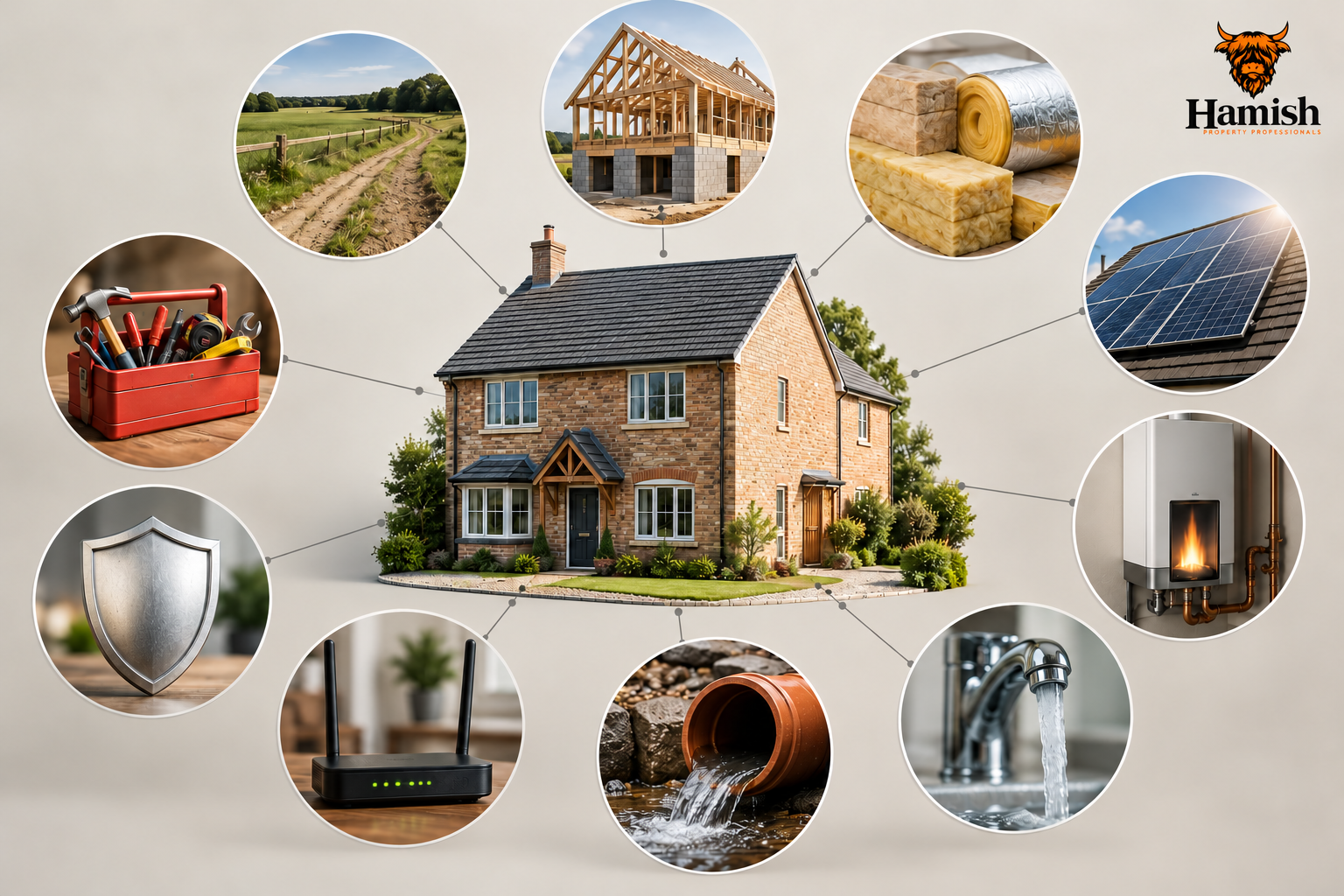
Before you look at any numbers, map the full budget. Most failed off-grid budgets are not caused by one expensive component. They fail because whole categories were missed.
Here is the spreadsheet-level cost map to start from.
1. Site, land and access
- Land purchase if relevant
- Vehicular access
- Track or driveway work
- Delivery constraints
- Ground conditions and exposure
2. Shelter: build, rebuild or retrofit
- Existing house purchase
- Structural repairs
- New build shell
- Roof, windows and envelope work
- Internal services installation
3. Insulation and fabric upgrades
- Loft insulation
- Floor insulation
- Wall insulation
- Draught reduction
- Better glazing
- Heating controls
4. Power generation and storage
- Solar panels
- Battery storage
- Inverter and control equipment
- Mounting and installation
- Housing or plant space
- Backup generation
5. Heating
- Heat pump or other main heating system
- Hot water system
- Heat emitters or distribution upgrades
- Fuel storage where relevant
- Backup heating approach
6. Water supply
- Source development
- Storage tanks
- Pumps
- Filtration or treatment
- Freeze protection
- Testing and servicing
7. Wastewater and sanitation
- Drainage solution
- Wastewater treatment
- Emptying or servicing access
- Toilet and waste arrangements
8. Communications
- Internet setup
- Mobile signal workarounds if needed
- Ongoing service fees
9. Insurance and professional costs
- Surveying
- Specialist inspections
- Insurance implications
- Design and installation fees
10. Maintenance, transport and contingency
- Spare parts
- Service visits
- Delivery charges
- Emergency repairs
- Weather-related interruptions
- Contingency reserve
That is why this is a whole-property systems budget, not just a “solar panels plus cabin” budget. Water, waste and access are often treated as afterthoughts, and that is one of the fastest ways to underestimate the real cost.
Start with demand reduction: the cheapest energy is the energy you do not need
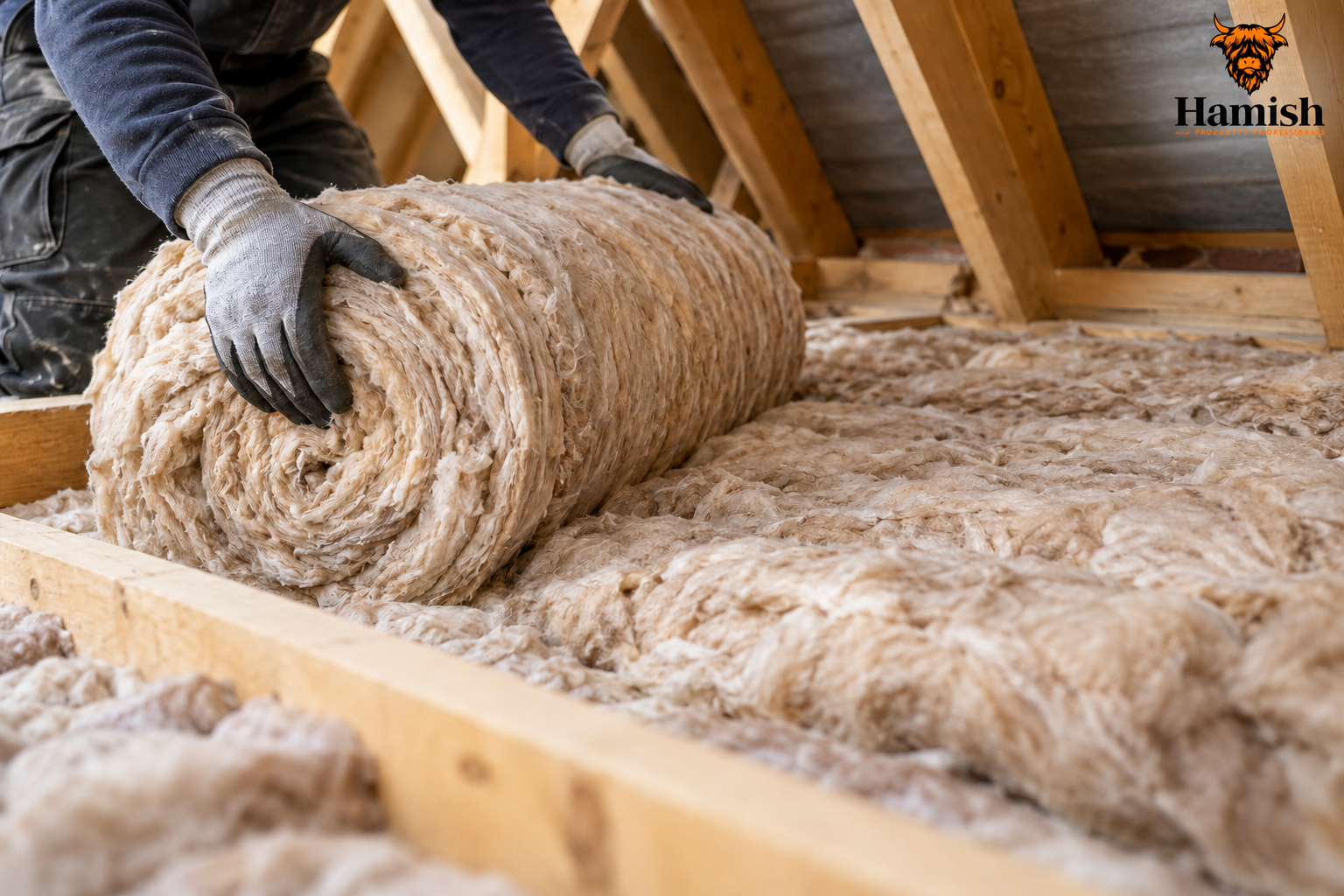
If you are retrofitting an existing home, start by cutting demand before you spend heavily on off-grid generation or storage.
A draughty, hard-to-heat house can force you into:
- a larger solar array
- more battery capacity
- more backup fuel or backup equipment
- a more expensive heating strategy
That is why fabric upgrades often deserve attention first.
The Energy Saving Trust retrofit guide provides indicative UK installation benchmarks for common measures in a semi-detached home. These are useful reference points for parts of a budget, but they are not Inverness quotes and not a total off-grid cost.
Indicative benchmark figures include:
- Solar panels: £7,600
- Air source heat pump: £12,000
- Loft insulation: £750
- Floor insulation: £1,700
- Cavity wall insulation: £2,200
- Solid wall insulation: £12,000–£15,000
- A-rated double glazing: £4,800
- Heating controls: £600
- Solar water heating: £5,300
Those figures are useful mainly because they show something many people miss: insulation and building fabric can be a major part of the real cost to build off grid home or retrofit budget.
The same Energy Saving Trust guidance recommends starting with an EPC, and for Scottish homes it points readers to the Scottish EPC Register. That is a sensible first step if you are assessing an existing property.
Spend here first checklist for an existing home
Before pricing a larger off-grid power system, check:
- loft insulation level
- floor heat loss
- wall construction and insulation potential
- draughts and air leakage
- glazing quality
- heating controls
- hot water efficiency
- EPC rating and recommendations
If the property performs poorly, fixing that first can reduce the pressure on every other system. Poor insulation does not just waste money. It can lock you into a larger, more expensive off-grid design.
Upfront setup costs: three likely starting points near Inverness
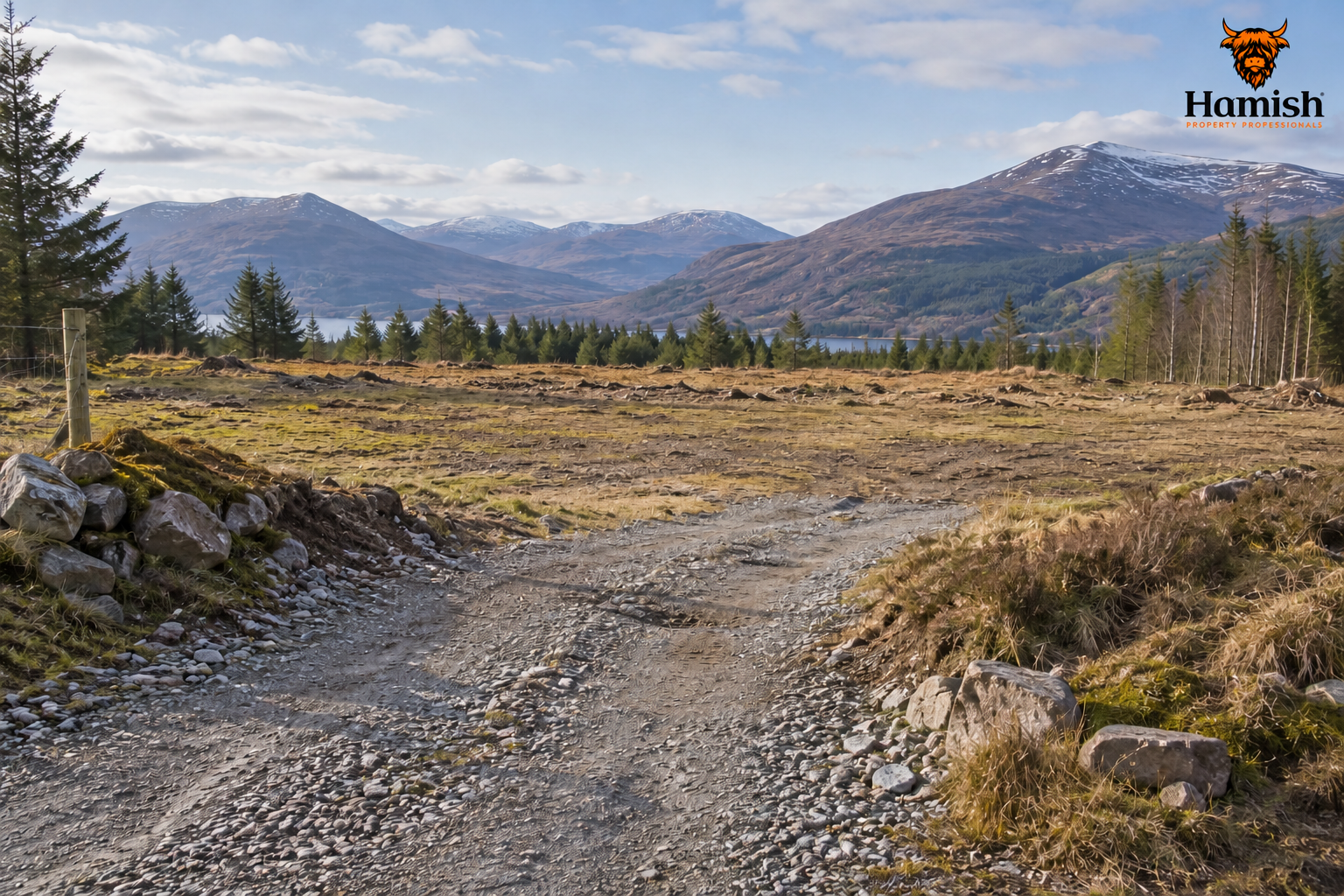
There is no credible single total for all off-grid households around Inverness, so it is more useful to budget by starting scenario.
| Scenario | Biggest unknowns | Quote-dependent items | Common budget traps |
| Retrofitting an existing rural house | Fabric condition, heating demand, existing wiring/plumbing, water/waste setup | Insulation upgrades, heating changes, solar/storage installation, repairs | Assuming the house is “good enough” before checking heat loss and service condition |
| Buying a property that is already partly independent | Condition of existing systems, maintenance history, compliance status, remaining lifespan | Inspection reports, replacement planning, upgrades to heating/power/water systems | Paying for “off-grid features” that soon need major replacement |
| New build or bare land | Access, ground conditions, drainage, foundations, water source, wastewater feasibility, permissions | Site works, servicing, design, installation, enabling works | Comparing only land or shell cost while ignoring servicing and compliance uncertainty |
1. Retrofitting an existing rural house
This is often the most understandable starting point because the building already exists. Even so, the budget can move sharply depending on:
- whether insulation is modestly outdated or seriously poor
- whether windows need upgrading
- whether heating can work with improved controls or needs a full system rethink
- whether existing power arrangements need a major rebuild
For retrofit line items, the Energy Saving Trust benchmarks above give you a useful reference for measures such as loft insulation, floor insulation, wall insulation, glazing, heating controls, solar panels and air source heat pumps. But you will still need local quotes for the unsupplied parts of the system, especially storage, inverters, backup and site-specific installation work.
2. Buying a property that is already partly independent
This can look cheaper on paper, but only if the existing systems are in good condition and suit your needs.
Inspection priorities include:
- insulation quality and actual comfort level
- the condition and type of heating system
- private water source and treatment arrangement
- wastewater setup
- any existing generation or storage equipment, including age, documentation and apparent maintenance history
The trap here is paying a premium for “already off-grid” features without understanding whether they are robust, undersized, obsolete, hard to service, or near replacement.
If you are looking to buy an off-grid or rural property around Inverness, a local estate agent such as Hamish Homes may help you find suitable properties and understand the buying process.
3. Building from scratch on rural land
This is often where people underestimate the budget most severely. Before power generation becomes the main issue, you may be dealing with:
- land purchase
- access works
- drainage and foundations
- water supply feasibility
- wastewater or sanitation design
- servicing constraints
- permissions and compliance checks
This guide cannot confirm legal requirements for planning, water, wastewater or occupancy. Check planning and building-warrant requirements with >Highland Council before committing to land or construction work.
If you are starting from bare land, servicing and site readiness can dominate the budget long before any off-grid power system is finalised.
Power costs: solar, storage, backup, and why Inverness weather changes the maths
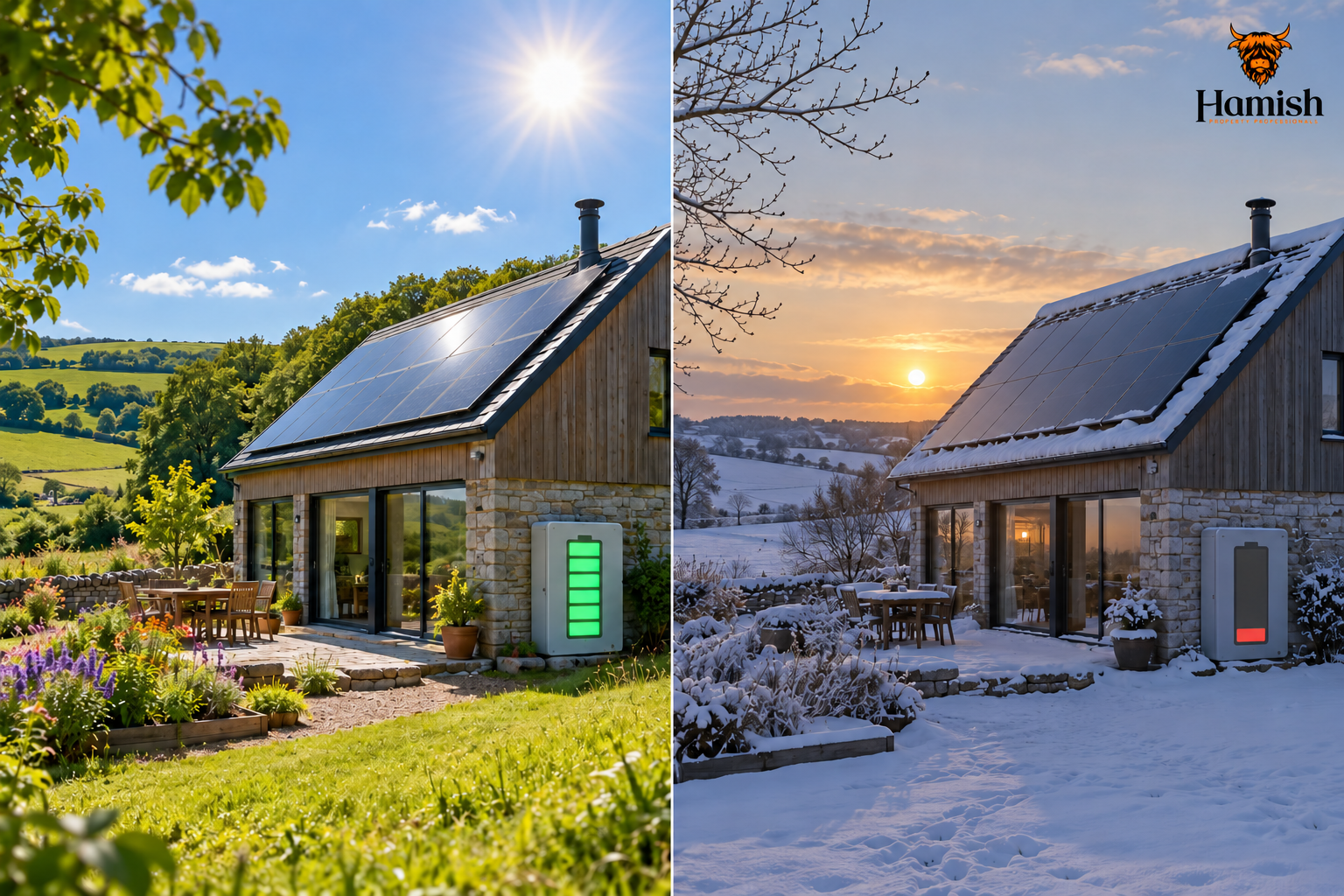
Electricity costs are usually discussed too narrowly. The real budget is not just “panels”.
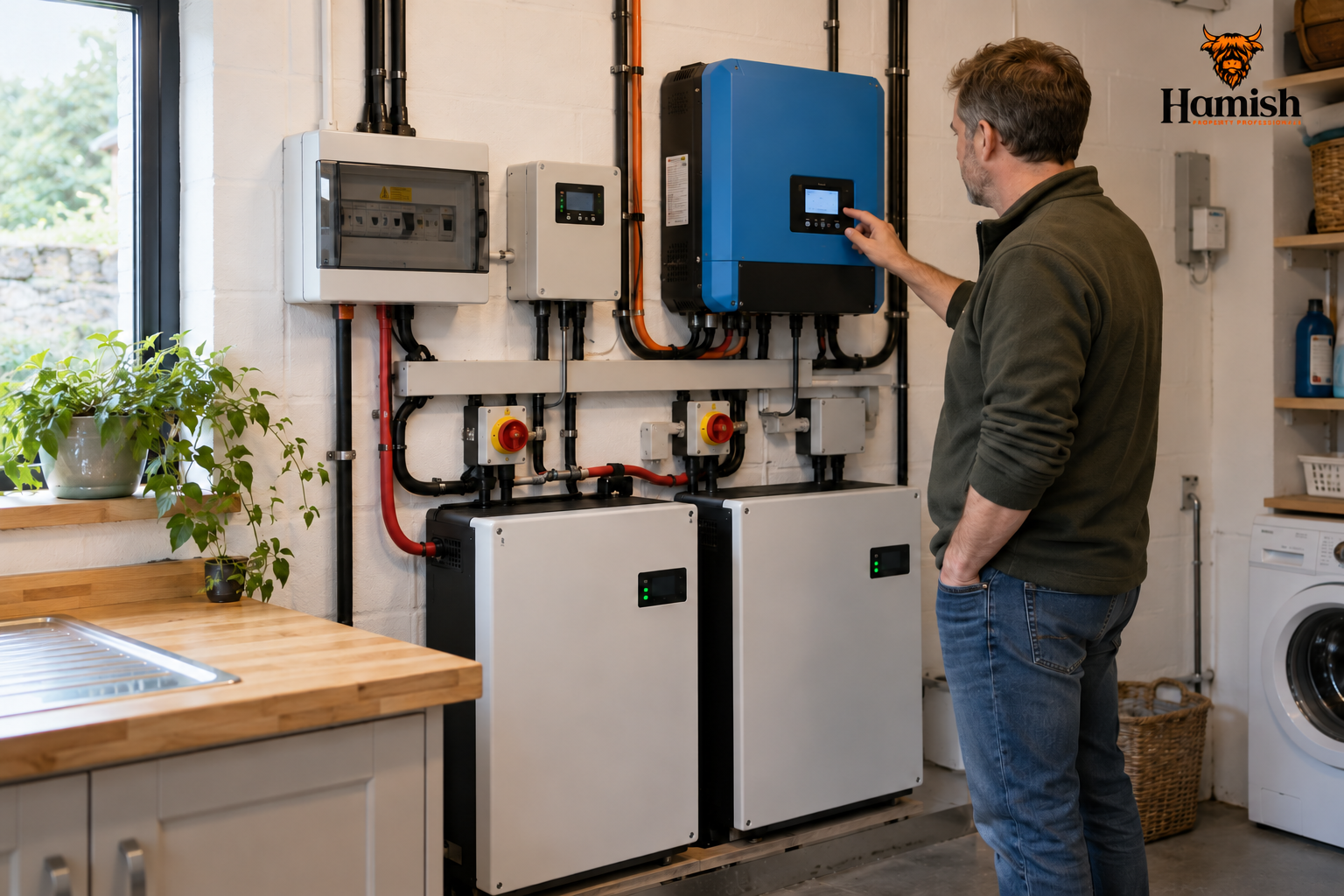
A complete off-grid electricity setup can include:
- generation equipment
- storage
- inverter and control gear
- mounting and installation
- cabling and integration work
- weather-protected housing for equipment
- backup power provision
From the supplied evidence, the only supported benchmark here is the Energy Saving Trust’s indicative installation cost for solar panels: £7,600 in a semi-detached retrofit context. Treat that as a component reference point only, not an Inverness off-grid package price.
The evidence pack does not provide authoritative Scottish benchmarks for:
- battery storage
- inverters
- backup generators
- wind systems
- micro-hydro systems
So it would be misleading to invent figures for those.
What can be said safely is that Inverness and wider Highland conditions change the design logic:
- winter daylight is weaker than summer
- seasonal mismatch matters more
- heating loads can coincide with low generation periods
- weather exposure can increase the importance of resilience
- remoteness can make downtime more disruptive
That means system sizing should be built around:
- daily loads: what you use every day
- seasonal loads: what rises in colder months
- critical loads: what must stay on
- backup expectations: how you cope when generation is poor or equipment fails
A common mistake is sizing for pleasant summer performance and then discovering that winter living requires much more load shifting, backup use or comfort compromise than expected.
The Energy Saving Trust Green Homes Network shows that there are Scotland-based case studies of homes with energy efficiency and renewable installations. That can help you see real-world system choices, but the supplied evidence does not provide specific Inverness costs or directly comparable system data.
Non-numeric sizing worksheet
Before requesting quotes, write down:
- fixed everyday loads
- winter-only or winter-heavy loads
- cooking method
- hot water demand
- work-from-home equipment
- refrigeration and freezer loads
- internet and communications needs
- pumps or water-treatment loads
- critical devices that cannot go down
- how many days of disruption you want to be able to tolerate
- whether you will accept manual load shifting in poor weather
If you cannot answer those questions yet, you are not ready to price a full off-grid electricity system accurately.
Heating around Inverness: the cost driver people underestimate
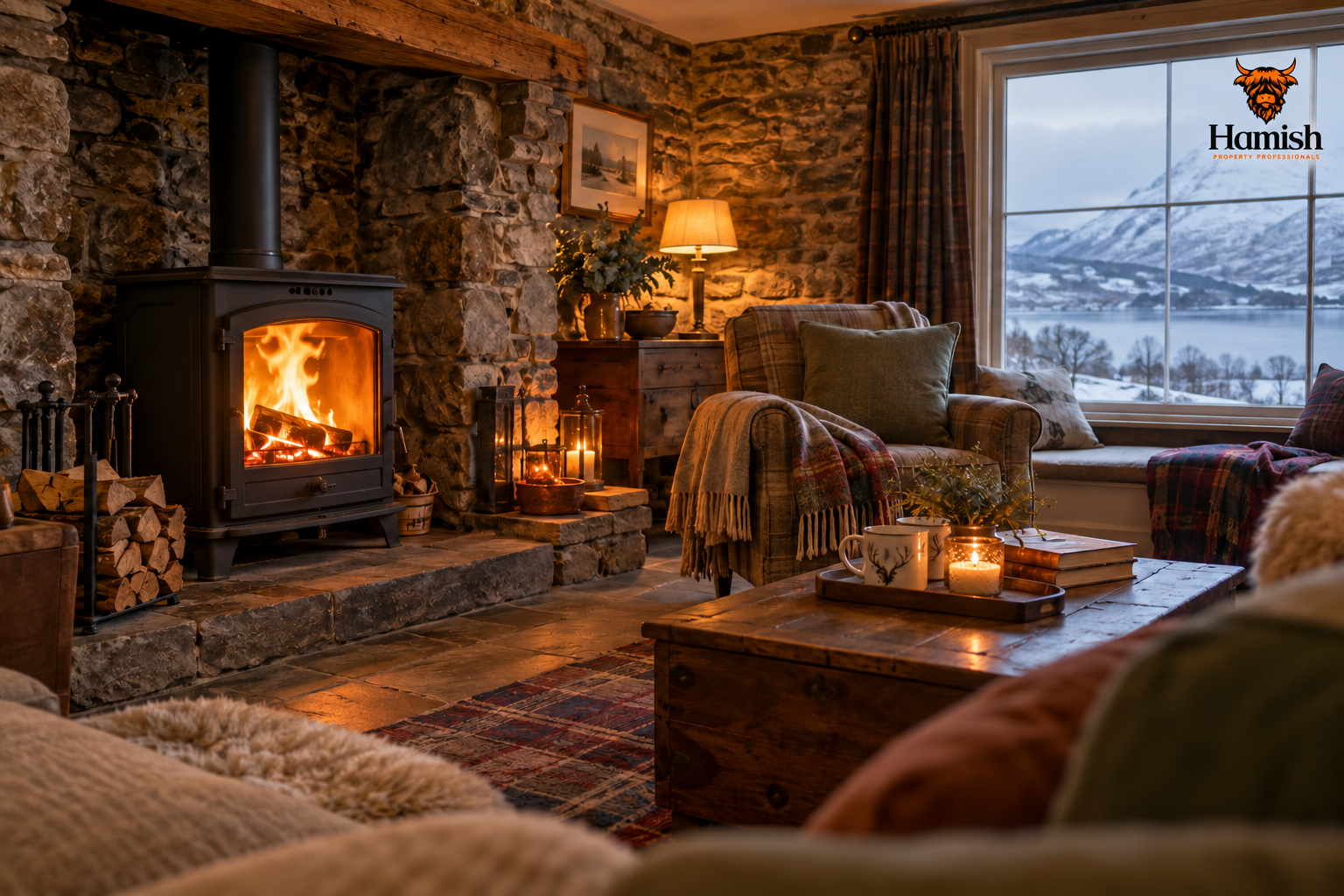
In Highland conditions, heating can dominate comfort, resilience and total system stress.
This is where off-grid budgets often go wrong. People plan electricity first, then discover the house is much harder to heat than expected.
The main heating paths are better understood as trade-offs than as fixed answers.
| Heating path | Capital intensity | Dependence on electricity | Maintenance burden | Storage needs | Winter resilience |
| Improved fabric first | Can vary from modest to high | Reduces pressure on all-electric systems | Usually lower once done | Low direct storage need | Strongly improves every later option |
| Direct electric heating with enough generation/storage | Depends on system size | High | Can be operationally simple but puts pressure on power system | High electricity-system resilience need | Riskier if demand is high and winter generation is weak |
| Air source heat pump | £12,000 Indicative Energy Saving Trust benchmark: £12,000 | Significant | Specialist servicing may be relevant | Lower electrical demand than direct resistance heating, but still needs planning | Better suited when the building fabric is good |
| Biomass or solid fuel category | Varies widely and needs local quotes | Lower direct dependence on electricity for heat itself, but not necessarily zero for wider system | Fuel handling and regular maintenance can be higher | Fuel storage may be needed | Can add resilience, but with its own practical burdens |
| Mixed system | Often more complex upfront | Shared dependence | More parts to manage | Depends on design | Can reduce single-point failure risk |
The supported benchmark from the Energy Saving Trust retrofit guide is £12,000 for an air source heat pump, again as an indicative average installation cost in a semi-detached home rather than an Inverness-specific off-grid price.
The same source also supports the value of looking at fabric and controls alongside heating:
- loft insulation: £750
- floor insulation: £1,700
- cavity wall insulation: £2,200
- solid wall insulation: £12,000–£15,000
- A-rated double glazing: £4,800
- heating controls: £600
The evidence pack does not support exact Highland running costs for firewood, pellets, LPG, diesel or electric heating, so this guide should not pretend to compare them numerically.
The practical point is simpler: poor insulation can make any heating route expensive. If you are planning an all-electric home, do not design it around generation first and heating reality second.
Water, wastewater, and sanitation: budget-critical, locally regulated, and often quote-dependent
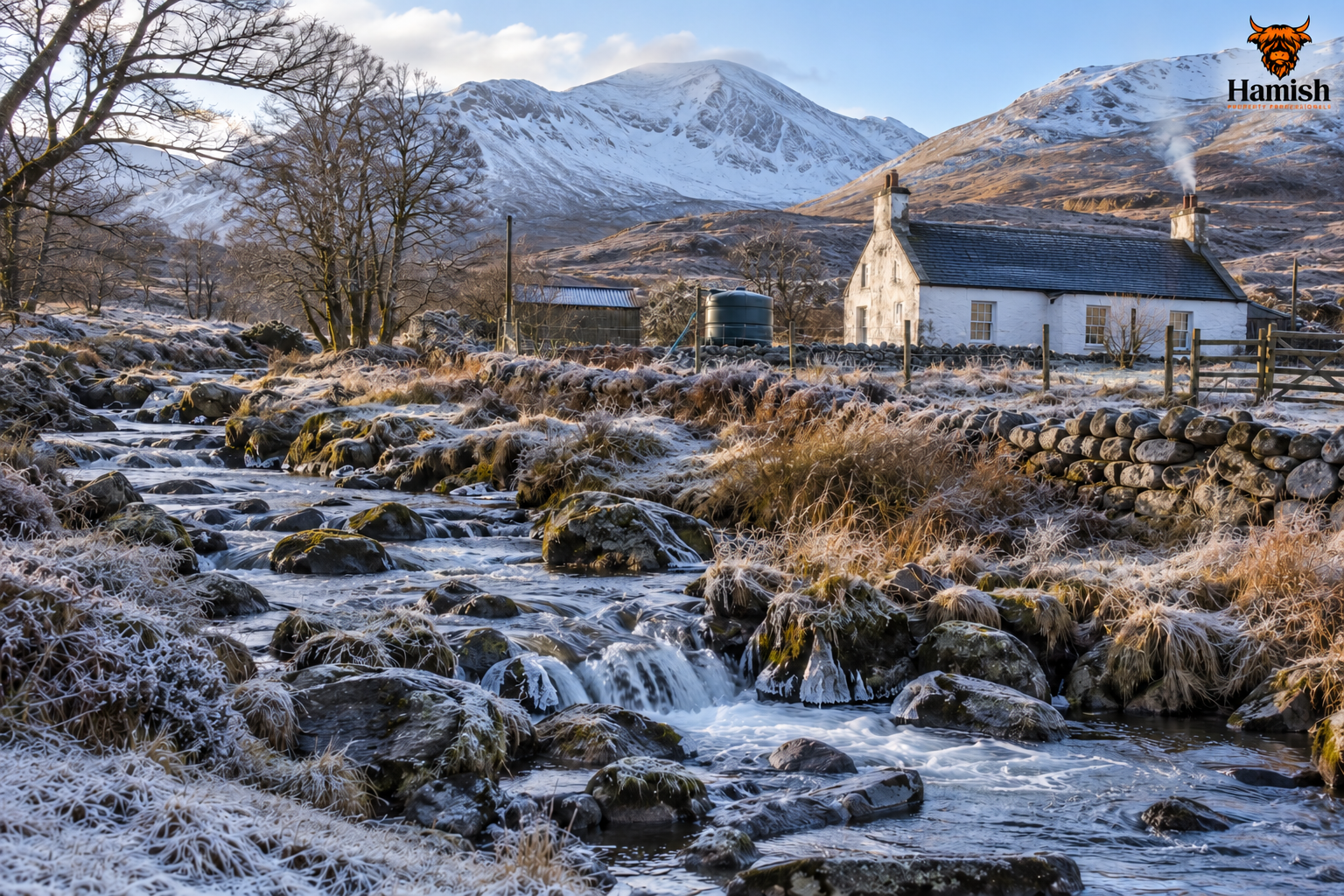
This is one of the biggest reasons generic off-grid budgets can mislead you.
For rural and off-grid projects, water and wastewater can involve major costs and major uncertainty. Depending on the property, you may need to think about:
- source reliability
- storage
- pumping
- treatment or filtration
- freeze protection
- servicing access
- wastewater handling
- discharge constraints
The supplied evidence does not include official Scottish rules or benchmark costs for:
- boreholes
- springs
- tanks
- septic systems
- package treatment plants
- composting toilets
- greywater arrangements
So this guide cannot confirm what is legally permitted, what standard is required, or what exact cost to expect. You should verify legality, standards and permissions with the relevant official bodies before budgeting or installation, including bodies such as Highland Council, the Scottish Government or SEPA where applicable.
That uncertainty is one of the strongest reasons not to buy land or a problematic property based on a generic “off-grid living is cheap” assumption.
Due-diligence checklist for site visits and quotes
Ask and record:
- What is the current water source?
- Is it year-round and reliable?
- What treatment is in place?
- Where are the tanks, pumps and filters?
- What happens in freezing conditions?
- How is wastewater handled now?
- How is the system accessed for emptying, servicing or repair?
- Are there records, drawings or service history?
- Which parts still need official confirmation?
Do not buy on hope here. Water and wastewater feasibility should be established before major commitments.
The ongoing cost of living off-grid: maintenance, replacements, insurance, and contingency
Even if setup costs are under control, long-term affordability depends on what happens after installation.
There is no authoritative Inverness annual cost dataset in the supplied evidence, so no honest guide should give you a definitive monthly or yearly local total. But you should budget for recurring categories like these.
Maintenance
- routine checks
- small repairs
- system cleaning
- weather-related wear
Replacements
- components with limited life
- pumps
- controls
- failed electronics
- worn heating parts
- ageing storage systems
Servicing
- heating system servicing
- water treatment servicing
- inspections where appropriate
- specialist call-outs for remote properties
Consumables and backup energy
- filtration media
- backup fuel or emergency energy inputs
- solid fuel, pellets or other heat-source inputs where relevant
Insurance
- building and contents implications
- any changes linked to remoteness, fuel storage or specialist systems
Communications
- internet service
- mobile workarounds if necessary
Access and transport
- delivery charges
- travel for parts or service visits
- bad-weather complications
- vehicle dependence if the property is remote
Emergency contingency
- storm damage
- failed pumps
- roof issues
- cold-weather failures
- delayed access for repair
- temporary backup arrangements
The common mistake is comparing off-grid life only with utility bills. A low direct bill can still sit on top of a high maintenance and replacement burden. Some systems feel cheap month to month until a major component fails.
Annual budget template
Use blank placeholders rather than guessed figures:
| Category | Your estimate |
| Routine maintenance | £___ |
| Heating system servicing | £___ |
| Water system servicing and treatment | £___ |
| Backup energy or fuel | £___ |
| Communications | £___ |
| Insurance | £___ |
| Access and delivery costs | £___ |
| Replacement reserve fund | £___ |
| Emergency contingency fund | £___ |
| Total annual operating budget | £___ |
If a category feels hard to estimate, that is a sign you need quotes or professional input, not a sign you should ignore it.
Where Inverness can make the budget harder than generic off-grid guides suggest
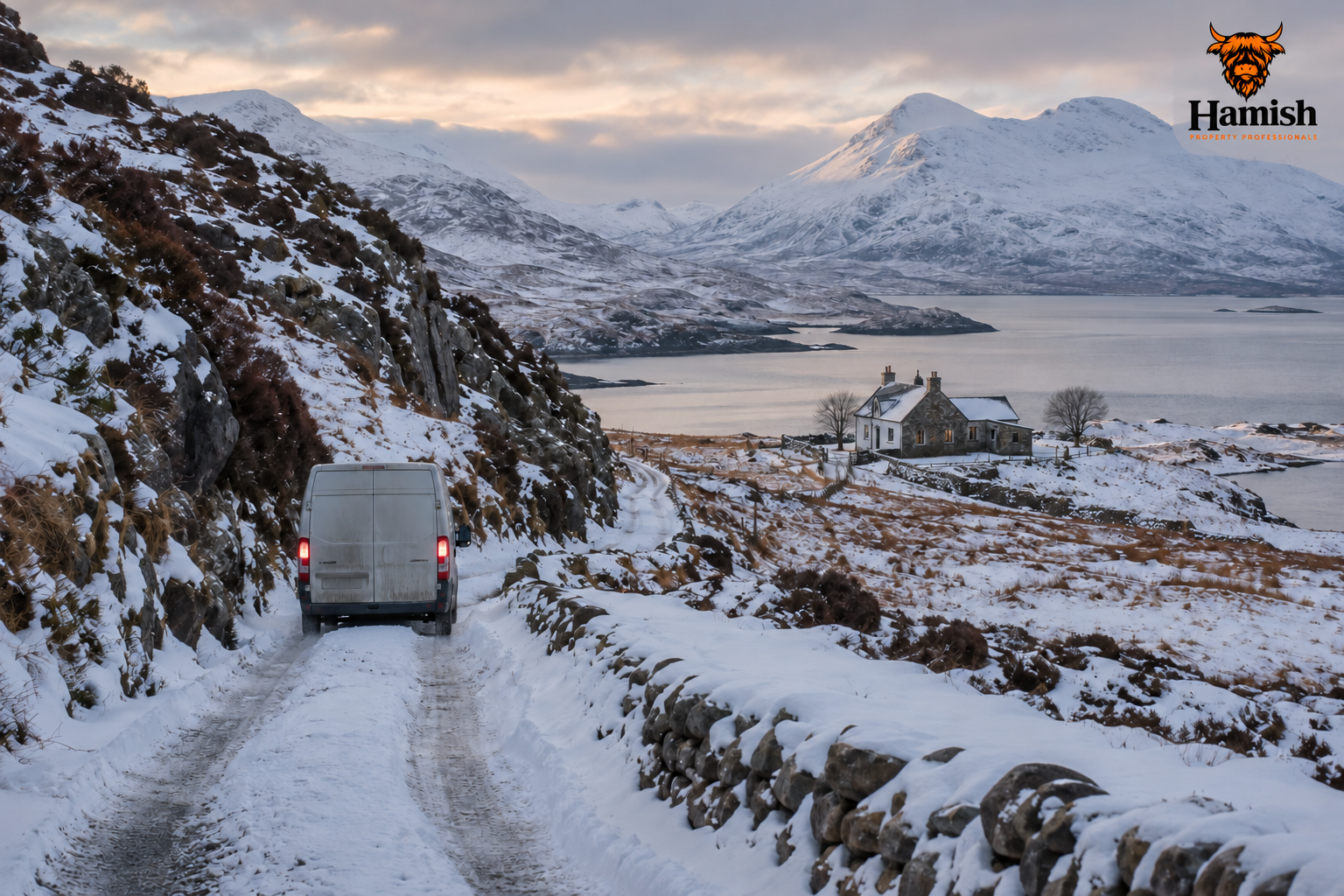
Without claiming exact local premiums, there are some obvious Highland budget pressures that many online guides underplay.
Local risk multipliers checklist
- Greater heating demand in colder months: may increase comfort pressure and system demand
- Lower winter solar performance: can make summer-based assumptions unreliable
- Weather exposure: can raise resilience and maintenance planning needs
- Remoteness: can complicate servicing, repair response and delivery
- Access constraints: can affect installation and replacement logistics
- Stronger backup requirement: can matter more where disruption is harder to absorb
These are logical budgeting considerations, not quantified Inverness cost uplifts from the evidence pack. But they are enough to justify getting local builder, installer and servicing quotes before you rely on generic UK-wide or overseas examples.
A sunny-climate or US-based off-grid article may still be interesting to read. It is not a safe budget template for the Highlands.
How to build your own budget: a step-by-step worksheet
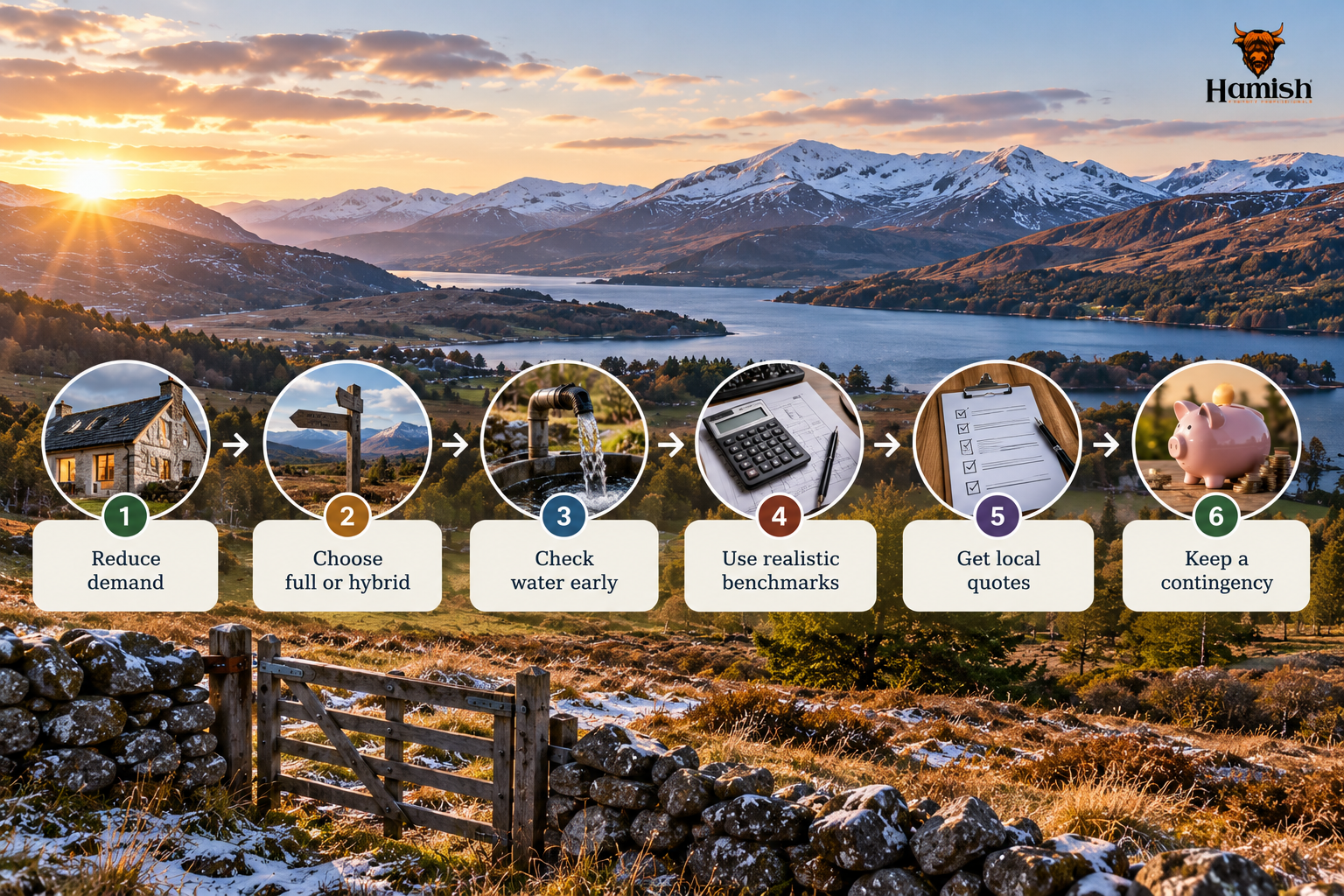
If you want a practical answer to how much money to live off grid, build the budget in this order.
1. Define the lifestyle and load expectation
Write down:
- number of occupants
- full-time or part-time occupancy
- work-from-home requirements
- cooking method
- hot water expectations
- winter comfort expectations
- tolerance for manual load shifting
2. Decide whether you are aiming for full off-grid or hybrid
Be honest about:
- how remote the property is
- whether some connection is available
- your tolerance for complexity
- the level of resilience you expect in winter
Leave this as a deliberate decision, not an identity statement.
3. Assess the building fabric first
For an existing home, inspect:
- loft
- floor
- wall type
- glazing
- draught issues
- current heating controls
If available, get EPC information first. The Energy Saving Trust retrofit guide recommends starting with an EPC and points Scottish readers to the Scottish EPC Register.
4. Add benchmark retrofit line items where they fit
Use supported indicative figures only where relevant to your property:
- loft insulation: £750
- floor insulation: £1,700
- cavity wall insulation: £2,200
- solid wall insulation: £12,000–£15,000
- A-rated double glazing: £4,800
- heating controls: £600
- solar panels: £7,600
- air source heat pump: £12,000
- solar water heating: £5,300
Remember: these are Energy Saving Trust benchmark installation costs for common measures in a semi-detached home, not a total off-grid budget for Inverness.
5. Create blank placeholders for unsupplied categories
Do not insert guessed numbers for:
- battery storage
- inverter/control equipment
- backup generation
- boreholes or other water-source work
- wastewater systems
- access works
- drainage
- site enabling works
Instead, mark them clearly as:
- needs local quote
- needs site survey
- needs official confirmation
6. Identify water and wastewater unknowns early
Before buying land or committing to major equipment, clarify:
- whether the water source is reliable
- what treatment may be needed
- what wastewater arrangement exists or may be feasible
- which official bodies need to confirm compliance
7. List critical systems and backup expectations
Include:
- heating
- water pumping
- refrigeration
- internet
- lighting
- any medical or work-critical devices
Then decide what “failure tolerance” you can live with.
8. Get local quotes
Gather quotes for:
- insulation and glazing work
- heating system changes
- solar installation
- electrical integration
- water-related works
- wastewater-related works
- access or groundwork if needed
9. Add contingency
Set aside a reserve for:
- weather delays
- hidden defects
- extra access costs
- equipment integration problems
- emergency repairs after move-in
10. Compare against a lower-risk alternative
Before committing, compare:
- full off-grid
- hybrid/low-grid
- staying connected while heavily reducing demand
That comparison often prevents expensive overbuilding.
11. Do not proceed while major unknowns remain unpriced
If key categories still say “probably fine” instead of carrying a quote or official answer, pause. Guesswork is not a budget.
FREQUENTLY ASKED QUESTIONS
What hidden costs catch people out when planning an off-grid home near Inverness?
Usually the overlooked items are:
- backup power
- equipment replacement reserves
- water and wastewater surprises
- maintenance and specialist servicing
- access and delivery complications
- insurance implications
- bad-weather contingency
Those are often more damaging to the budget than the headline purchase of panels or heating equipment.
Is living off-grid around Inverness actually cheaper than a conventional home?
Not necessarily. The supplied evidence does not support any universal claim that off-grid living around Inverness is cheaper. Setup costs can be high, and ongoing maintenance and replacement costs may offset lower utility dependence. The outcome depends on the property, the heating demand, the system design and how well the building fabric performs.
Should I plan for full off-grid living or keep some form of grid connection if possible?
In many cases, a hybrid approach is the lower-risk starting point, especially where winter resilience, storage cost and unresolved site issues are concerns. That does not make it automatically better for everyone, but it can reduce pressure on batteries, backup systems and daily operations.
Are there Scotland-based examples I can learn from?
Yes. The Energy Saving Trust Green Homes Network includes Scotland-based case studies from households that have installed energy efficiency and renewable measures. They may be useful for understanding system choices and lived experience, but the supplied evidence does not provide directly comparable Inverness cost breakdowns.
Final takeaway
Around Inverness, the real answer to “what does it cost to live off grid?” is not a single figure. It is a systems-budget question covering property fabric, heating, power, water, wastewater, access, maintenance and resilience.
The safest order of operations is:
- reduce demand first
- decide whether full off-grid or hybrid fits the site and your risk tolerance
- verify water and wastewater feasibility early
- use supported benchmark figures only where they genuinely apply
- get local quotes for the large unknowns
- keep a real contingency fund
That will not give you a neat fantasy number. It will give you a far better chance of building a budget that survives contact with a Highland winter.
In This Article


